

Why Modeling Careers Rise: Factors Driving Success

Stepping into the world of modeling means more than perfecting your look or walk. The industry now thrives on diverse talent and strategic visual storytelling, propelling careers through digital media, social influence, and unique personal branding. Aspiring models must understand how this shift opens new opportunities for growth and recognition on both local and global stages. Discover what makes modern modeling careers so multifaceted and what it truly takes to stand out today.
Table of Contents
- Core Definition of Modeling Careers
- Major Types of Modern Modeling Roles
- Digital Transformation and Social Media Impact
- Inclusivity and Diversity Shaping Success
- Essential Skills and Qualifications Today
- Risks, Mistakes, and Key Industry Challenges
Key Takeaways
| Point | Details |
|---|---|
| Modern Modeling Focus | Today’s modeling goes beyond looks, emphasizing the importance of personal branding and versatile representation. |
| Digital Skills Requirement | Proficiency in digital marketing and social media management is essential for modern models to engage audiences effectively. |
| Inclusivity in Modeling | The industry now values diverse representation, challenging traditional beauty standards and embracing all body types and backgrounds. |
| Continuous Professional Development | Models must prioritize skill development and adapt to changing industry demands to sustain successful careers. |
Core Definition of Modeling Careers
Modeling careers represent a dynamic professional pathway involving visual storytelling through physical representation. These careers go far beyond simply posing for photographs, encompassing a sophisticated blend of artistic performance, brand communication, and personal branding.
At its core, modeling is fundamentally about representing brands and artistic ideas through strategic visual communication. The profession has dramatically evolved from traditional runway and print work to include diverse platforms like digital media, social networks, and emerging technological interfaces.
Key characteristics of modern modeling careers include:
- Representing commercial and artistic brands
- Creating visual narratives through physical presence
- Adapting to multiple media platforms
- Leveraging personal style and unique physical attributes
- Developing strong interpersonal and professional networking skills
Professional modeling requires more than aesthetic appeal. Successful models demonstrate:
- Strategic personal marketing
- Professional adaptability
- Understanding of visual communication principles
- Strong work ethic
- Ability to interpret creative directors’ visions
Professional modeling is a complex career that integrates individual talent with institutional opportunities. Models must continuously develop skills across photography, performance, marketing, and digital communication domains.
Modeling careers are no longer just about looks, but about creating meaningful visual experiences that connect audiences with brands and artistic expressions.
Pro tip: Build a versatile portfolio that showcases your unique range and adaptability across different modeling genres and platforms.
Major Types of Modern Modeling Roles
The modeling industry has evolved dramatically, offering diverse career paths that extend far beyond traditional runway work. Modern modeling careers span multiple specialized sectors designed to meet varied market demands and creative requirements.
The primary categories of contemporary modeling roles encompass a wide range of professional opportunities:
- Fashion Modeling: High-end runway and editorial work requiring specific height and body standards
- Commercial Modeling: Advertising and promotional campaigns across print, digital, and television media
- Plus-Size Modeling: Representing diverse body types in fashion and lifestyle brands
- Fitness Modeling: Showcasing athletic wear, health products, and wellness lifestyle content
- Niche Specialty Modeling: Including areas like hand modeling, parts modeling, and technical demonstration roles
Each modeling category demands unique skills and physical attributes. Fashion models typically need precise height and body proportions, while commercial models represent a broader range of body types and appearances. Successful models in these categories must combine physical presence with professional versatility.
Here’s a comparison of major modern modeling roles and the value they bring to the industry:
| Modeling Role | Main Focus | Career Opportunities |
|---|---|---|
| Fashion Modeling | High fashion and editorial | Global exposure, luxury brand work |
| Commercial Modeling | Mass-market brand campaigns | Steady bookings, varied media |
| Plus-Size Modeling | Size inclusivity | Body positivity, expanding markets |
| Fitness Modeling | Health and lifestyle | Wellness endorsements, niche brands |
| Specialty Modeling | Unique body parts/features | Product ads, technical demos |
Digital platforms have further expanded modeling opportunities, creating hybrid roles that integrate:
- Traditional visual representation
- Content creation skills
- Social media brand management
- Personal entrepreneurship
- Multimedia performance capabilities
Modern modeling is less about a single look and more about authentic representation and versatile personal branding.
Pro tip: Develop a diverse portfolio that showcases your adaptability across multiple modeling genres and platforms.
Digital Transformation and Social Media Impact
The modeling industry has undergone a radical metamorphosis driven by digital technologies and social media platforms. Digital transformation has fundamentally reshaped talent management in ways that were unimaginable just a decade ago, creating unprecedented opportunities for aspiring models.
Social media platforms like Instagram, TikTok, and YouTube have democratized the modeling landscape by enabling models to:
- Build personal digital brands
- Engage directly with global audiences
- Showcase portfolios without traditional gatekeepers
- Create diverse content beyond traditional photoshoots
- Develop multiple revenue streams through brand partnerships
The key digital competencies required for modern models now extend far beyond physical appearance. Successful models must demonstrate:
Below is a summary of essential digital skills and their impact on modeling success:
| Digital Skill | Professional Benefit | Industry Impact |
|---|---|---|
| Social Media Management | Builds audience, increases reach | Direct brand and fan engagement |
| Content Creation | Showcases versatility | Multi-platform visibility |
| Digital Marketing Awareness | Monetizes personal brand | Attracts diverse partnerships |
| Multimedia Editing | Upscales portfolio quality | Competes in digital-first market |
| Analytical Insight | Informs content strategy | Adapts to online trends |
- Strong social media management skills
- Content creation capabilities
- Understanding of digital marketing principles
- Ability to create engaging multimedia content
- Strategic personal branding techniques
Digital presence has become as crucial as physical portfolio work. Social media platforms enable direct industry access for models, allowing them to bypass traditional agency constraints and create personal career trajectories.
Modern modeling success is measured not just by photogenic qualities, but by digital engagement, authenticity, and the ability to connect with audiences across multiple platforms.
Pro tip: Invest in high-quality, consistent content that showcases your unique personality and professional versatility across different social media channels.
Inclusivity and Diversity Shaping Success
The modeling industry is experiencing a profound transformation, challenging traditional beauty standards by embracing a more representative and authentic approach to visual representation. This shift goes beyond mere visual diversity, fundamentally reimagining how talent is perceived, valued, and celebrated.
Key dimensions of inclusivity in modern modeling include:
- Representation across racial and ethnic backgrounds
- Diverse body types and physical abilities
- Gender and sexual orientation inclusivity
- Age diversity beyond traditional youth-centric narratives
- Cultural and international representation
Authentic representation requires more than surface-level changes. The movement emphasizes genuine integration of diverse talents into leadership, creative, and decision-making roles within the fashion and modeling industries.
The emerging model of success now demands:
- Celebrating individual uniqueness
- Breaking restrictive aesthetic norms
- Promoting body positivity
- Challenging historical industry exclusivity
- Creating opportunities for marginalized groups
True inclusivity is not about fitting diverse models into existing frameworks, but redesigning those frameworks to authentically represent human diversity.
Pro tip: Develop a portfolio that authentically showcases your unique attributes and challenges traditional modeling stereotypes.
Essential Skills and Qualifications Today
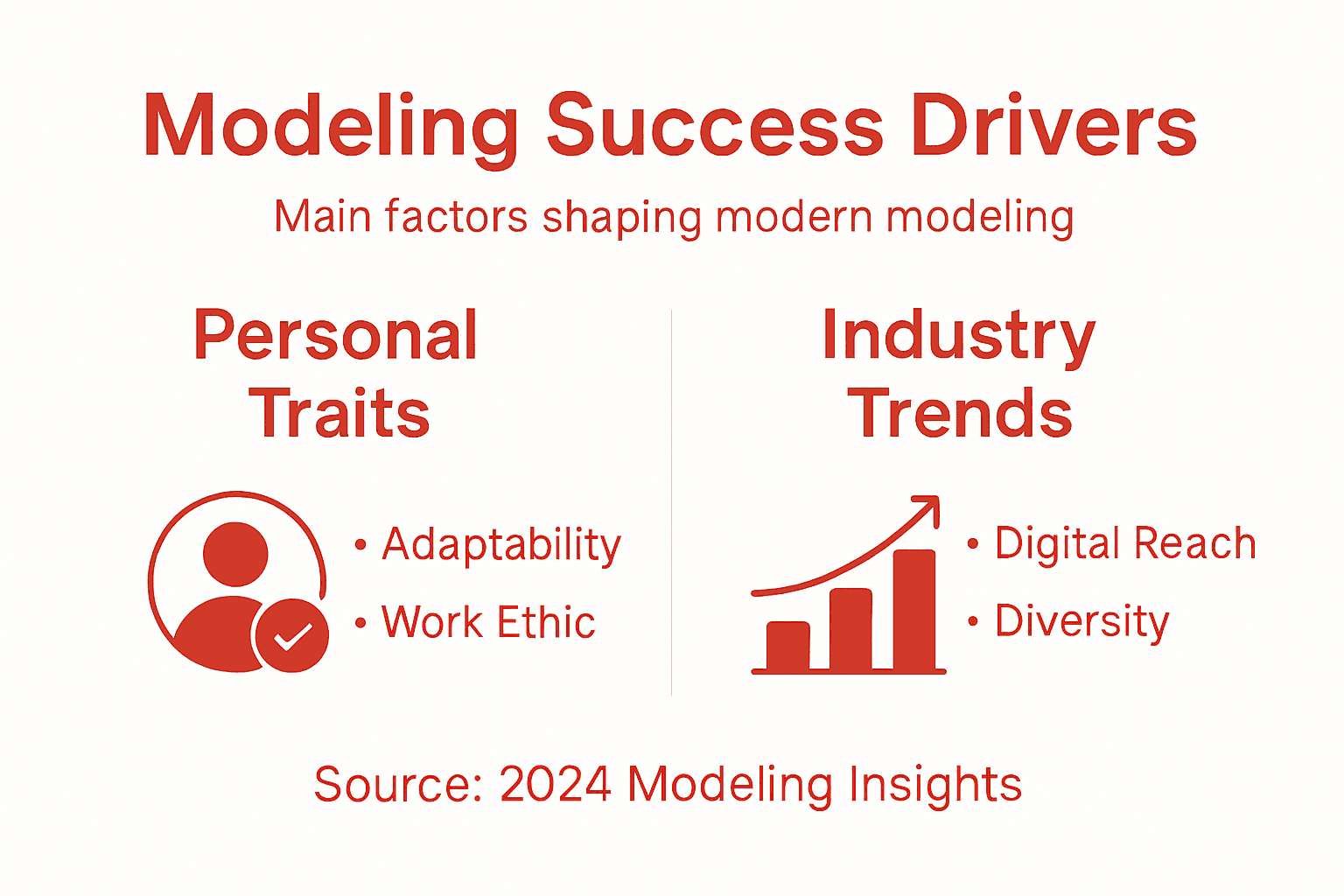
Modeling careers now demand a sophisticated blend of technical proficiency and interpersonal capabilities. Successful models integrate multiple professional skills that extend far beyond traditional physical requirements.
Essential hard skills for modern models include:
- Professional runway walking techniques
- Advanced posing capabilities
- Digital photography understanding
- Basic photo and video editing skills
- Fashion styling knowledge
- Professional makeup application
Companion soft skills are equally critical for career advancement:
- Exceptional communication abilities
- High emotional intelligence
- Professional adaptability
- Strong personal branding
- Time management expertise
Digital literacy has become a fundamental qualification. Models must master communication and networking skills across multiple platforms, transforming traditional modeling into a multifaceted professional experience.
Modern modeling success requires continuous learning, personal development, and the ability to reinvent yourself professionally.
Pro tip: Invest in comprehensive skill development through workshops, online courses, and consistent self-improvement to remain competitive in the evolving modeling landscape.
Risks, Mistakes, and Key Industry Challenges
The modeling profession involves complex risks that extend far beyond aesthetic considerations. Modeling professionals face multifaceted career challenges requiring strategic navigation and continuous professional development.
Major industry risks include:
- Rapid technological disruption
- Inconsistent income streams
- Physical and mental health challenges
- Career longevity limitations
- Complex contractual negotiations
- Personal brand management complexities
Critical professional challenges demand proactive management strategies:
- Developing robust financial planning
- Maintaining consistent skill development
- Protecting mental and physical wellness
- Building diverse professional networks
- Creating sustainable personal branding
Professional resilience is crucial. Industry stakeholders require structured risk assessment to navigate increasingly complex career landscapes effectively.
Success in modeling requires understanding that risks are opportunities for strategic personal growth and professional transformation.
Pro tip: Continuously invest in your professional development and create multiple income streams to mitigate potential career uncertainties.
Unlock Your Modeling Career Success with the Right Knowledge and Strategies
Modeling careers demand more than just looks – they require strategic personal branding, digital skills, and strong professional adaptability. If you are inspired by the rise of modeling careers and want to overcome challenges such as building a versatile portfolio, mastering social media, or embracing diversity, insights from TechMoths can guide you. Our comprehensive content covers everything from career advice and personal development to lifestyle and fashion tips designed to empower aspiring models like you.
Ready to take control of your modeling journey? Explore expert guides on how to become a model and grow your digital presence now at TechMoths. Discover practical tips and inspiring resources that will help you adapt, thrive, and stand out in the competitive modeling industry. Start building the future you deserve today by visiting TechMoths and transforming your passion into professional success.
Frequently Asked Questions
What are the key factors driving success in modeling careers?
Key factors driving success in modeling careers include personal branding, adaptability to different media platforms, strong interpersonal skills, and a good understanding of visual communication principles.
How has digital transformation impacted modeling careers?
Digital transformation has created new opportunities for models by enabling them to engage directly with audiences via social media and build personal brands without traditional gatekeepers.
What skills are essential for modern models?
Essential skills for modern models include professional runway techniques, advanced posing capabilities, digital photography understanding, as well as strong communication, emotional intelligence, and adaptability.
Why is inclusivity important in the modern modeling industry?
Inclusivity is important in the modeling industry as it challenges traditional beauty standards, promotes body positivity, and ensures representation across diverse backgrounds, ultimately making the industry more authentic and relatable.
