

Lifestyle Branding: Shaping Identity and Career Success

Standing out in the fast-paced tech world can feel overwhelming when everyone has similar technical skills. Young professionals across cities from San Francisco to Berlin are finding that building a strong identity often means more than a polished resume. Embracing the core ideas of lifestyle branding helps you create an authentic, memorable presence that connects your personal values to your professional journey, making your story resonate far beyond your job title.
Table of Contents
- Defining Lifestyle Branding And Core Ideas
- Key Elements Behind Lifestyle Branding Success
- Major Types And Notable Brand Examples
- Building Your Own Lifestyle Brand Strategy
- Risks, Pitfalls, And How To Avoid Them
Key Takeaways
| Point | Details |
|---|---|
| Importance of Lifestyle Branding | Lifestyle branding creates a comprehensive narrative that connects deeply with audiences, transcending traditional marketing. |
| Strategic Differentiation | Individuals must position themselves with authenticity to stand out in competitive markets by leveraging their unique narratives. |
| Core Elements for Success | Successful brands embrace authentic storytelling, consistent messaging, and community engagement for deeper connections. |
| Managing Risks | Continuous self-assessment and adaptation are crucial to maintain brand authenticity and mitigate reputational risks. |
Defining Lifestyle Branding and Core Ideas
Lifestyle branding represents a strategic approach where brands transcend traditional product marketing to embody a comprehensive set of values, attitudes, and cultural perspectives. In contemporary professional landscapes, lifestyle branding has emerged as a powerful mechanism for personal and professional identity construction.
At its core, lifestyle branding is about creating a holistic narrative that connects individuals with deeper meanings beyond mere transactional relationships. Exploring strategic consumer connections reveals that successful lifestyle brands don’t just sell products – they sell experiences, aspirations, and personal transformation.
Key characteristics of lifestyle branding include:
- Representing a specific value system
- Connecting emotionally with target audiences
- Projecting an aspirational identity
- Transcending traditional product boundaries
- Creating community and belonging
Professional identity development through lifestyle branding involves strategically positioning oneself as more than just a professional with skills. It means crafting a comprehensive personal narrative that communicates your unique perspective, values, and professional vision.
Professional Impact: Lifestyle branding enables individuals to differentiate themselves in competitive markets by presenting a coherent, authentic personal brand that resonates with specific professional communities and target audiences.
Pro tip: Develop your lifestyle brand by identifying your core values, understanding your professional narrative, and consistently communicating your unique perspective across professional platforms.
Key Elements Behind Lifestyle Branding Success
Lifestyle branding success requires a sophisticated approach that goes beyond traditional marketing strategies. It demands creating authentic narratives that resonate deeply with target audiences and communicate a compelling vision of identity and aspiration.
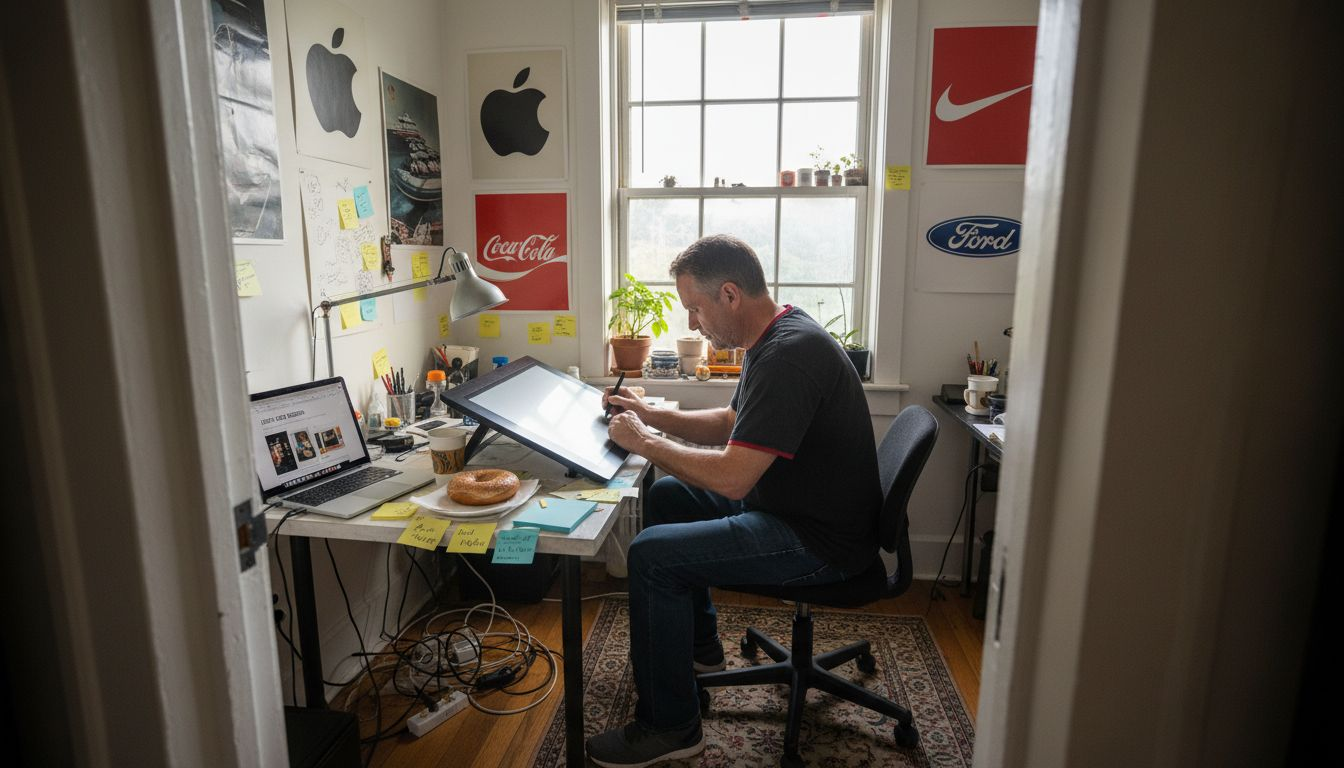
Digital content strategies have become critical in developing lifestyle brands that connect meaningfully with professional communities. Successful brands now focus on generating socially relevant content that transcends product limitations and creates genuine emotional connections.
Key elements driving lifestyle branding success include:
- Authentic storytelling
- Cultural relevance
- Consistent brand messaging
- Community engagement
- Digital platform optimization
Building a powerful lifestyle brand requires understanding your unique value proposition and communicating it through strategic narratives. This involves developing a comprehensive approach that integrates personal values, professional expertise, and aspirational perspectives.
Strategic Differentiation: Modern lifestyle branding is about creating a distinctive professional identity that stands out in competitive landscapes by presenting a holistic, multidimensional representation of personal and professional capabilities.
Pro tip: Craft your lifestyle brand by developing a clear narrative that authentically represents your professional journey, values, and unique perspective across multiple digital platforms.
Major Types and Notable Brand Examples
Lifestyle branding encompasses diverse categories that reflect distinct philosophical approaches to connecting with audiences. Brand categorization strategies reveal multiple nuanced types of lifestyle brands that transcend traditional marketing paradigms.
Key lifestyle brand types include:
- Mission-Driven Brands: Organizations that prioritize social impact and core values
- Aspirational Brands: Companies selling transformative experiences and personal potential
- Community-Oriented Brands: Entities creating belonging and shared identity
- Cultural Innovation Brands: Organizations defining contemporary lifestyle trends
Notable examples demonstrate how different brand archetypes authentically connect with specific audience segments. Apple represents the innovation lifestyle, embodying minimalist design and technological sophistication. Nike exemplifies the fitness lifestyle, inspiring athletic performance and personal transformation. Patagonia champions the sustainable lifestyle, integrating environmental consciousness into brand identity.
Here’s a comparison of major lifestyle brand types and their unique market influence:
| Brand Type | Core Focus | Market Impact | Example Brands |
|---|---|---|---|
| Mission-Driven | Social and ethical purpose | Builds loyalty via shared values | Patagonia, TOMS |
| Aspirational | Personal transformation | Encourages goal-oriented buying | Nike, Lululemon |
| Community-Oriented | Sense of belonging | Fosters strong user communities | Peloton, Harley-Davidson |
| Cultural Innovation | Trendsetting and creativity | Attracts early adopters | Apple, Supreme |
Strategic Differentiation: Successful lifestyle brands don’t just sell products – they sell comprehensive worldviews that resonate deeply with consumers’ personal narratives and aspirational identities.
Pro tip: Develop your personal lifestyle brand by identifying which archetype most authentically represents your professional values and unique perspective.
Building Your Own Lifestyle Brand Strategy
Developing a powerful personal lifestyle brand requires strategic introspection and deliberate positioning. Brand development frameworks offer comprehensive approaches to crafting an authentic professional narrative that resonates with target audiences and distinguishes you in competitive landscapes.
Key strategic components for building a compelling lifestyle brand include:
- Conducting comprehensive self-assessment
- Defining your unique value proposition
- Understanding your target audience
- Creating consistent brand messaging
- Developing a strategic online presence
- Establishing professional credibility
Successful lifestyle brand development involves deep understanding of personal strengths, professional aspirations, and the specific communities you aim to engage. This requires continuous refinement of your professional identity, leveraging digital platforms to showcase your authentic narrative and expertise.
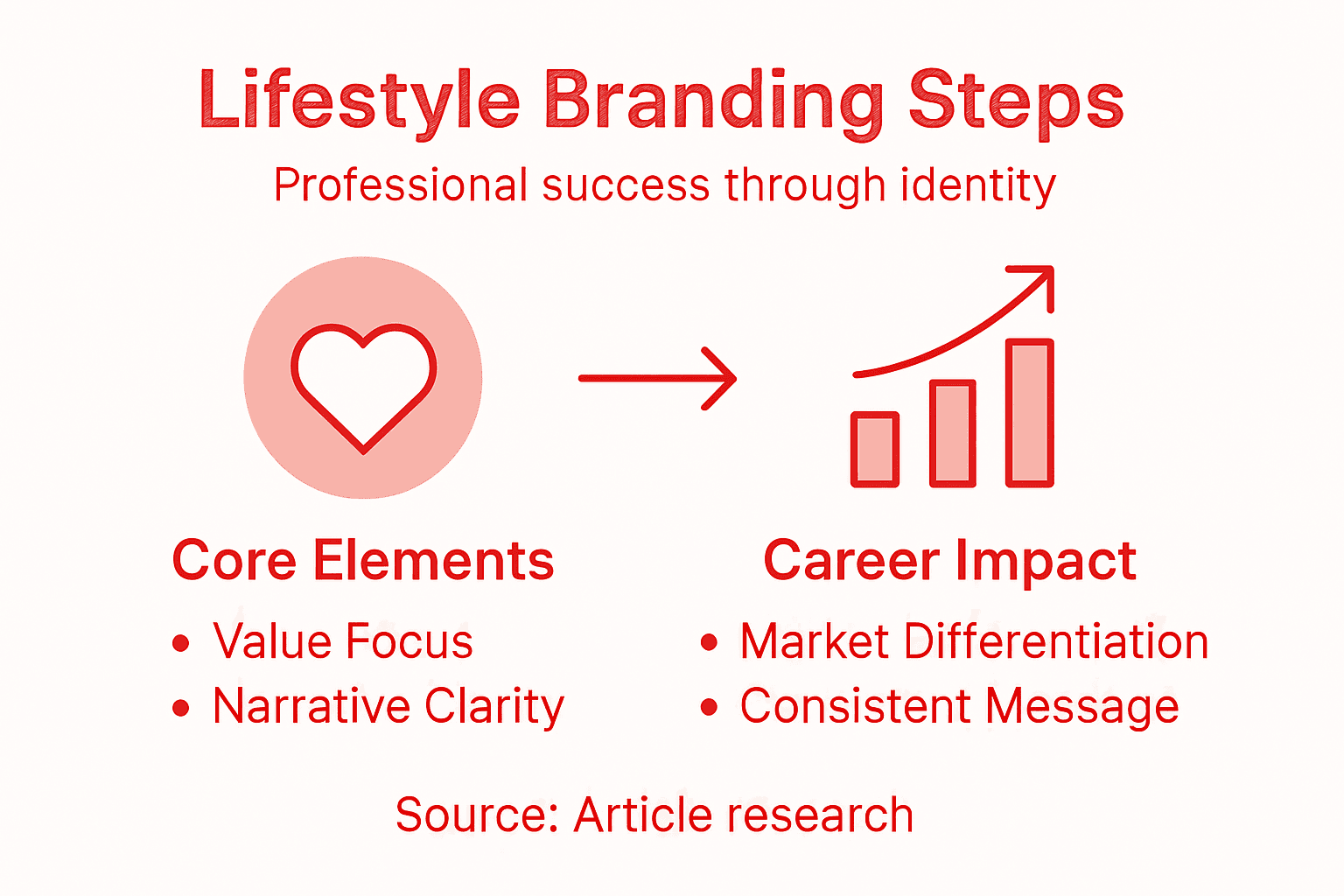
The following table summarizes strategic steps for building your lifestyle brand:
| Step | Description | Business Advantage |
|---|---|---|
| Self-Assessment | Analyze strengths and core values | Ensures brand authenticity |
| Value Proposition Definition | Clarify what distinguishes your expertise | Attracts niche audiences |
| Audience Understanding | Research targeted professional groups | Enhances brand relevance |
| Consistent Messaging | Uniform communication across platforms | Builds trust and recognition |
| Digital Presence Optimization | Use social and professional networks | Expands visibility and engagement |
Strategic Positioning: Your lifestyle brand is not just about what you do professionally, but about communicating a holistic perspective that reflects your values, experiences, and unique approach to your field.
Pro tip: Perform a monthly audit of your professional narrative, ensuring your online and offline brand communications remain aligned with your core professional identity and evolving career goals.
Risks, Pitfalls, and How to Avoid Them
Lifestyle branding involves navigating complex personal and professional challenges that can potentially undermine your carefully constructed narrative. Personal branding risks require strategic awareness and proactive management to maintain authenticity and professional credibility.
Common risks and strategic mitigation strategies include:
- Authenticity Loss: Avoid presenting an overly curated or inauthentic persona
- Brand Inconsistency: Maintain uniform messaging across all platforms
- Overexposure: Balance visibility with personal privacy boundaries
- Reputation Management: Develop robust strategies for handling public perception
- Digital Footprint Control: Carefully manage online content and interactions
Successful lifestyle brand management demands continuous self-reflection and strategic adaptation. Professionals must remain vigilant about maintaining alignment between their personal values, professional narrative, and public representation. This requires developing a nuanced approach that balances transparency with strategic personal boundary setting.
Strategic Warning: Personal brand risks can emerge unexpectedly, making continuous monitoring and adaptive communication essential for long-term professional success.
Pro tip: Conduct quarterly personal brand audits, reviewing your online presence, messaging consistency, and alignment with your professional goals to proactively manage potential reputational risks.
Elevate Your Personal and Professional Identity with Lifestyle Branding Insights
Understanding how to build a lifestyle brand that authentically reflects your values and professional vision can be a daunting challenge. This article on “Lifestyle Branding: Shaping Identity and Career Success” highlights common pain points such as maintaining authenticity, creating consistent messaging, and strategically positioning yourself in competitive landscapes. At TechMoths, we recognize these hurdles and offer a wide array of educational and lifestyle content to help you navigate and master these complexities.
Discover actionable guides and thoughtful insights that empower your self-assessment, help define your unique value proposition, and sharpen your digital presence. Don’t let inconsistencies or brand risks hold you back. Explore more professional development and lifestyle strategies today at TechMoths to start crafting a compelling personal brand. Take the next step now by diving into our comprehensive content on lifestyle, career advice, and personal growth at TechMoths Lifestyle Articles. Elevate your identity and career success through expert knowledge curated just for you.
Frequently Asked Questions
What is lifestyle branding?
Lifestyle branding is a strategic approach where brands create a comprehensive set of values, attitudes, and cultural perspectives that resonate with individuals, transcending traditional product marketing.
How does lifestyle branding impact professional identity development?
Lifestyle branding helps individuals differentiate themselves in competitive markets by constructing a coherent personal brand narrative that aligns with their unique values and perspectives, enhancing their professional identity.
What are the key elements for successful lifestyle branding?
Key elements for successful lifestyle branding include authentic storytelling, cultural relevance, consistent messaging, community engagement, and digital platform optimization. These factors foster a deeper emotional connection with the target audience.
What are common risks associated with lifestyle branding?
Common risks of lifestyle branding include authenticity loss, brand inconsistency, overexposure, reputation management challenges, and difficulties in controlling digital footprints. It’s crucial to manage these risks to maintain a credible and relatable personal brand.
Recommended
- Critical Steps of the Brand Development for Startup – TechMoths
- How to Become a Life Coach? A Complete Guide for Beginners:
- Lifestyle Change Process for Personal Transformation Success – TechMoths
- Importance of the Right Marketing Team for a Startup – TechMoths
- Tech T Shirts in Startup Culture (2025): Why Every Dev Needs One – Code Culture
